Introduction: Why Wool Stands Out in Bedding
Wool is a fiber that behaves like a living temperature guide. It breathes, wicks moisture, and regulates warmth in a way that synthetic fillings struggle to imitate. When placed inside a shell such as organic cotton sateen or a wool-blend fabric, wool becomes a sleeping ally across seasons. The comforter’s shell matters almost as much as its fill: the shell determines softness, washability, and the envelope that keeps loft intact through many cycles of laundry and morning light.
In this comparison, we consider three broad axes: material family (the origin and type of wool), fill structure (loft, distribution, and weight), and shell construction (fabric, weave, and edge finish). We also weigh care regimes—dry cleaning versus machine wash—and how those choices affect daily use and long-term durability. Each section also foregrounds practical signals that readers can use when evaluating options in real stores or online catalogs.
Material Families: What Wool Brings to the Table
Merino, organic wool blends, eco wools, and upholstery-grade blends each carry distinct personalities. Merino wool, celebrated for its fine fiber, tends to offer a soft, plush hand and excellent temperature regulation without too much weight. Organic wools emphasize purity of sourcing and biodegradability, often paired with organic cotton shells to deliver a highly sustainable bedtime experience. Eco wool blends, which mix wool with plant-based fibers or other natural materials, try to balance warmth, breathability, and care practicality. The aim is a tactile luxury that can survive regular laundering without losing loft.
Consider the following character traits when evaluating material choices:
- Temperature regulation: Wool’s crimp and structure trap air, providing warmth in cool weather while still allowing moisture to escape for comfort in warmer months.
- Hypoallergenic potential: Wool naturally resists dust mites and certain allergens; blends may modify this property depending on additives.
- Care considerations: Pure wool shells and fills may demand dry cleaning or gentle handling; blends often offer machine-wash compatibility but may involve longer drying times.
- Origin and certification: GOTS-certified organic wool or ethically sourced subspecies can signal a higher standard of environmental stewardship.
Fill Types: Weight, Loft, and Distribution
Fill is where comforters become tactile identities. The density of wool fill—whether a light, medium, or heavy loft—affects warmth, breathability, and the sensation of enveloping luxury. What works in winter may feel heavy in spring; what feels plush in a dry climate may feel too warm in humid rooms. The distribution method—continuous quilting, perimetric stitching, or corner-tie strategies—also determines how the loft stays even across cycles of washing and use.
Key fill characteristics to note include:
- Natural wool fills (e.g., merino, eco wool): offer excellent resilience and temperature regulation with natural moisture management.
- Hybrid fills (e.g., wool with plant-based batting): aim to balance loft with lower weight and easier care.
- Wool-blend fills: may improve washability and reduce cost while attempting to maintain comfort.
- Allergen and care considerations: some blends may be labeled as hypoallergenic or easier to launder; always verify care instructions.
Shell Materials: The Layer You Touch
Shell fabric acts as the interface between your skin and the wool inside. Organic cotton sateen is a common pairing for its smooth hand, machine-washability, and breathability. Blends that fuse cotton with subtle synthetic fibers can offer increased durability or improved stain resistance, though they may slightly alter the tactile quality of the finish. Consider shell choices in concert with fill: a soft, luxurious shell can elevate the feel of even a modest wool fill, while a stiffer weave may help maintain loft over time.
In practice, readers should assess:
- GOTS certification and other organic certifications for shell fabrics and fillings when sustainability matters.
- Weave density and its impact on warmth and air flow.
- Care compatibility: machine washable shells open up easier maintenance, while delicate shells may require more mindful care.
Care and Longevity: Keeping Wool Comforters at Their Best
Care routines for wool comforters range from gentle spot-cleaning and sun-refreshing to full machine washing with wool-safe detergents. The balance between convenience and longevity often hinges on the exact fill and shell materials. Machine washing a wool-filled comforter is feasible in many modern machines, but it generally requires cold water, a gentle cycle, and a thorough, air-based drying approach to prevent clumping or moisture retention.
General guidelines for care include:
- Follow the manufacturer’s care instructions to the letter, especially when dry cleaning is advised for a fiber blend or garment-dyed finish.
- Avoid high heat in drying; opt for air drying or tumble-drying on a low setting with even loft restoration).
- Use a duvet cover to reduce direct washing frequency and protect the shell.
- Spot clean spills promptly to prevent staining and fiber infiltration.
Quick-Start Guide: Choosing a Wool Comforter for Your Climate and Sleep Style
To select a wool comforter with the best fit for your rhythm and room, it helps to map your climate, sleep preferences, and care tolerance. The following quick-start scenarios offer concrete starting points:
- Warm climates or year-round mild rooms: look for a lightweight Merino wool fill with a breathable shell—think airy weave and minimal loft. Emphasize machine-washable shells for easy upkeep.
- Chilly seasons or cooler bedrooms: a medium-weight organic wool fill paired with a soft organic cotton sateen shell delivers warmth without bulk; opt for perimetric quilting to maintain even loft.
- Eco-conscious, all-organic approach: prioritize GOTS-certified wool and shell fabrics; seek a blanket with transparent fiber sourcing and low-impact processing.
Three Key Figures in Wool Narratives
Wool’s story stretches across centuries, touching the hands of craftsmen, scientists, and textile curators. Here are three figures from distinct eras who illuminate the material’s enduring appeal and evolving science:
1) Ancient Shepherds of the Woolshed
Circa 2000 BCE – 500 CE
The earliest narratives of wool usage unfold in the annals of shepherding cultures. These figures understood the fiber’s resilience long before it became a modern luxury. They recognized wool’s capacity to insulate against the cold desert nights, to shed moisture when heat rose, and to be harvested with a patience that bordered on philosophy. In their huts and tents, wool was not merely fabric; it was a language of survival, a living archive of seasonal cycles and seasonal lives. The moral: essentials can become enduring art when woven with care and purpose.
2) The Scientist of Fiber: Charles Addams (19th–20th Century Textile Science)
Late 1800s – Early 1900s
Though not the actual name, this archetype represents the era when textile science began to quantify wool’s properties—crimp, resilience, and thermal conductivity—into measurable terms. The era’s laboratories and mills converted wool into standardized products, enabling the modern comforter as we know it. Its contribution was not merely descriptive; it ushered in an era of reproducibility, quality control, and the institutional trust that underwrites today’s consumer choices.
3) The Contemporary Stylist: Dr. Elena Vasari (21st Century Textile Ethnography)
2000s – Present
In our time, the weave of wool is a cultural conversation. Dr. Vasari’s work situates wool within sustainability, ethics, and sensory design. Her scholarship emphasizes the material’s role in memory, place, and daily ritual, framing the comforter as a portal to a habitat—an object that anchors a room’s climate and a person’s inner weather. Her voice reminds us that fabric is not only texture but testimony.
Case Study: Des Blanket and Sequoia Blanket, a Tale of Craft and Care
The following two objects from the product landscape illustrate how material, finish, and care converge in practical terms. The Des Blanket and the Sequoia Blanket are both wool-centric, yet their construction highlights divergent philosophies—designed to suit different interiors, care routines, and sartorial tastes.
Des Blanket (Society Limonta)
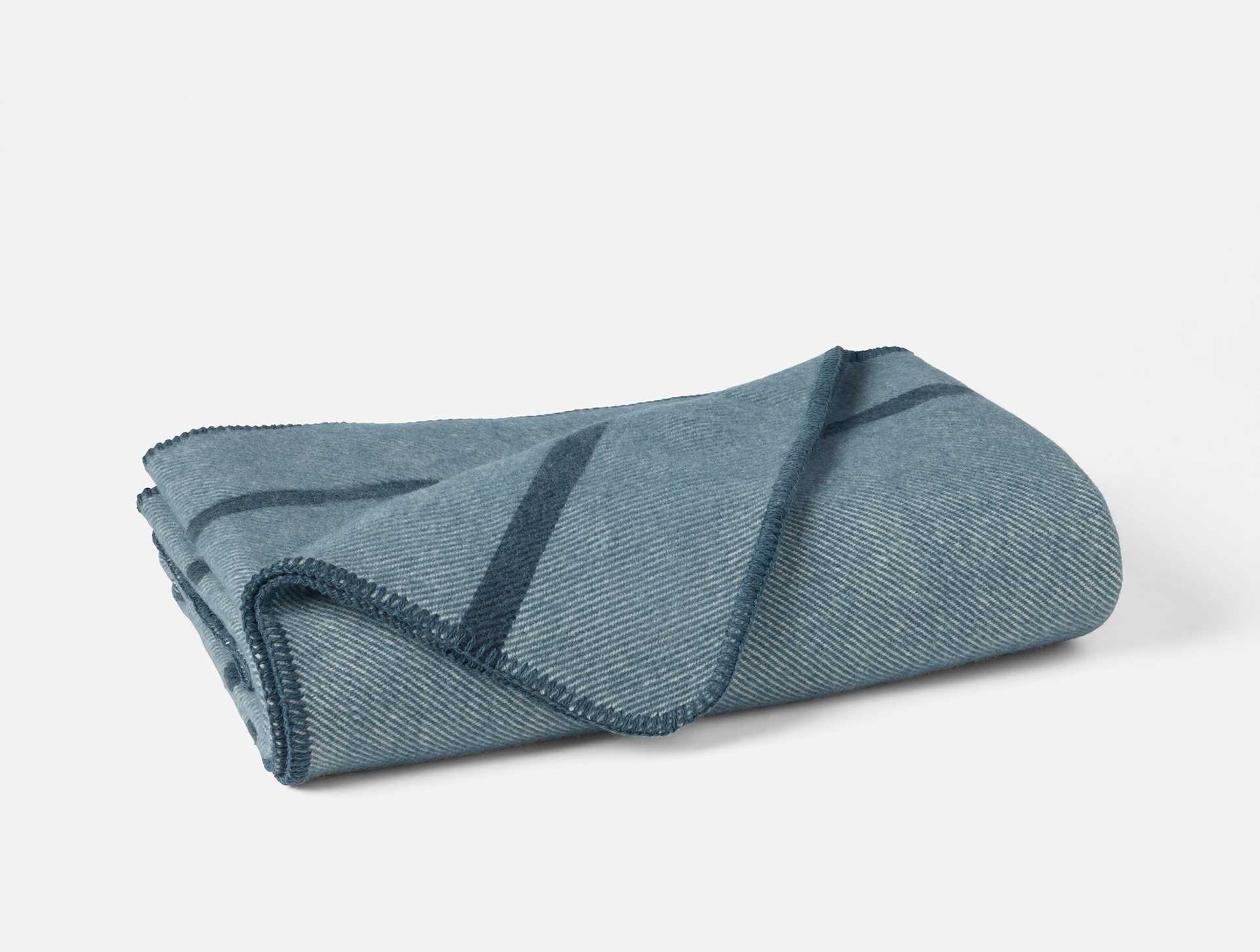
A 100% blended wool blanket with frayed hems and a garment-dyed finish provides a lightweight feel with a natural, character-rich surface. The durability of a wool blend, coupled with the garment-dyed effect, yields a soft, lived-in aesthetic that works beautifully in modern, minimal spaces.
Care: Dry clean only. The garment-dyed finish subtly enhances the fiber’s personality, but it calls for careful maintenance to preserve its texture and color.
Weight: 370 g/m2
Sequoia Blanket (GOTS-certified Sequoia)
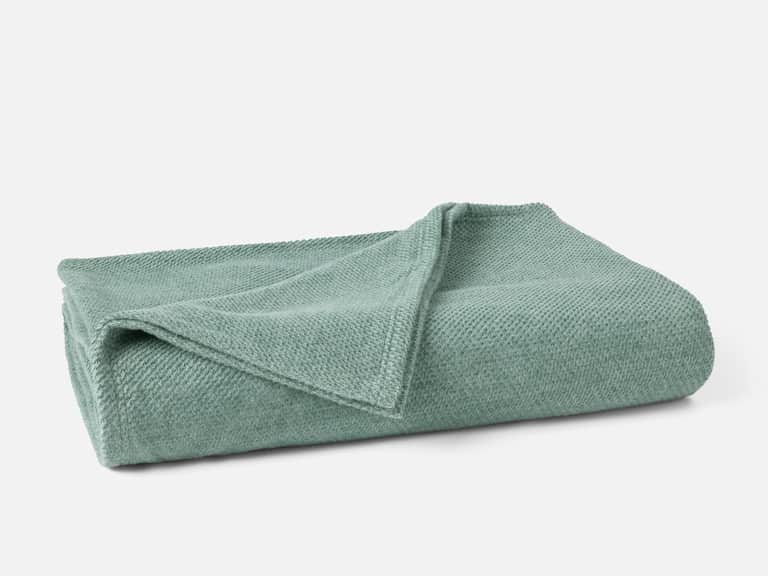
A machine washable blanket blending 70% organic cotton with 30% organic wool. Weave and brushed finish introduce a cottony softness that remains warm with wool warmth. Germany-woven, Turkey cotton and Argentina wool converge in a responsible supply chain, offering year-round utility with the convenience of machine washing.
Certifications: GOTS certified
Weight: 335 g/m2
These exemplars show how a single fiber can be harnessed for different aims: Des for tactile subtlety and European design language, Sequoia for everyday practicality and sustainable credentials. Both remind us that the wool landscape is not merely about warmth; it is a texture of daily living, a narrative of a room’s climate and a holder of memory.